

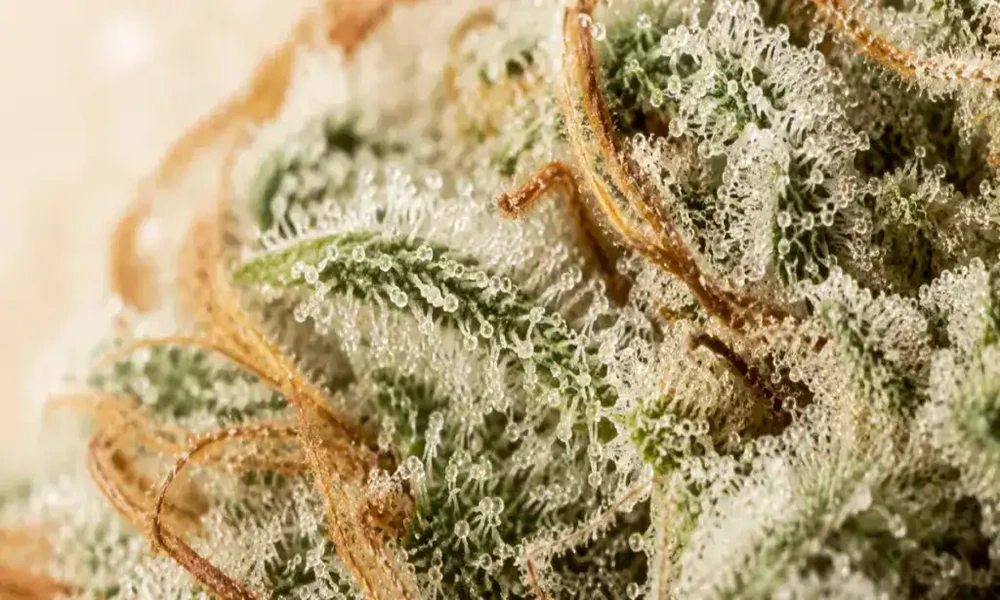
Hemp flower requires more handling knowledge than most other product formats. The steps between purchase and consumption, grinding, and the conditions under which the flower was cured and stored before it arrived, all affect what the session actually delivers. Exhale’s premium THCa flower reaches consumers in a state that reflects the care applied through cultivation and post harvest handling. What happens after purchase depends entirely on the buyer. Three areas of handling knowledge account for most of the difference between a well performing session and a disappointing one.
Grinding hemp flower
Grinding breaks down flower material into a consistent particle size that burns or vaporises evenly. Unground flower burns unevenly because dense areas of the bud receive less airflow than exposed surfaces, producing hot spots that combust plant material before other areas have vaporised. A two-piece or four-piece herb grinder with metal teeth produces consistent particle size across the full amount ground in a single session.
Grinding fine enough for even combustion without grinding so fine that material falls through screens or packs too densely into a bowl or rolling paper requires a middle setting on most grinders. Two to three rotations past initial resistance is a practical reference point for most bud densities. Kief collection chambers in four piece grinders accumulate the trichome material that passes through the screen during grinding and can be used separately or added back to a session.
Curing and what it means
Curing is the controlled drying process that follows harvest and shapes the quality of every hemp flower product before it reaches retail. A properly cured flower has had sufficient time for chlorophyll to break down, moisture to reach an even distribution through the bud structure, and terpene compounds to develop past the raw green character of freshly dried material.
- Flower harvested and rushed to market without adequate curing burns harshly and carries a green, grassy flavour rather than the strain-specific character the terpene profile would otherwise produce.
- Over-dried flower cured past the point of optimal moisture content loses terpene content and burns faster than properly handled material.
- Well-cured flower breaks apart with some resistance rather than crumbling into dust or compressing into a dense, moist mass.
- Colour through a well cured bud is consistent from the outer surface to the interior rather than showing green centres with dried exteriors.
Curing quality is established before purchase and cannot be corrected after the fact. Identifying it at the point of purchase or delivery is the relevant skill.
Storing hemp flower
Storage conditions after purchase determine how long well cured flower maintains the quality it arrived with. Three variables control the degradation rate. Light, temperature, and humidity.
- Direct light exposure degrades cannabinoids and terpenes faster than anything else. A UV light breaks down THCA and accelerates terpene loss from the outer trichome layer. Dark storage in opaque containers eliminates this variable.
- Fluctuations in temperature cause humidity variation inside storage containers, accelerating mould growth and terpene loss. Over extended storage periods, cool, stable temperatures keep degradation rates low.
- Microbial safety and burn quality are affected by container humidity. Storage of flowers at a relative humidity between 59% and 63% is most consistently associated with optimal terpene preservation. With Boveda or similar two-way humidity control packets, that range is passively maintained inside sealed containers.
Airtight glass jars outperform plastic bags and paper packaging. Compounds from plastic offgas over time, affecting terpene properties. Humidity and light are not controlled by paper. In order to preserve purchase quality over weeks, glass sealed airtight and stored in the dark at a stable temperature is essential.
